Reflecting on the work of French conceptual artist Sophie Calle, this body of research considers how the tacit methods embedded within her practice might offer an alternative lens through which to approach architecture. Drawing on Calle’s proposition that events can “happen” without ever being fully “true,” her use of observation, concealment and deceit constructs meaning through encounters and perceptions that remain contingent and unstable. Translating these methods into architectural production creates an opportunity to unsettle familiar conventions and explore what other forms of spatial knowledge might emerge.
This research enquiry is distilled through the development of architectural apparatuses, particularly those with an object or programmatic familiarity: initially unassuming conditions that acquire conceptual weight through their manipulation. The Martini Table, a spatial dramatization of a Soho bar on Berwick Street, London, becomes one such apparatus, providing a recognizable reference through which objects, reflections and viewpoints are calibrated and disturbed. Materially, the arrangement remains certain; perceptually, distances collapse, boundaries blur and separate elements appear to align or merge. Deceit becomes a method for making the familiar unfamiliar, teasing out forms of knowledge and relationships that might otherwise remain tacit, and opening a broader enquiry into alternative ways of producing, perceiving and understanding architecture.
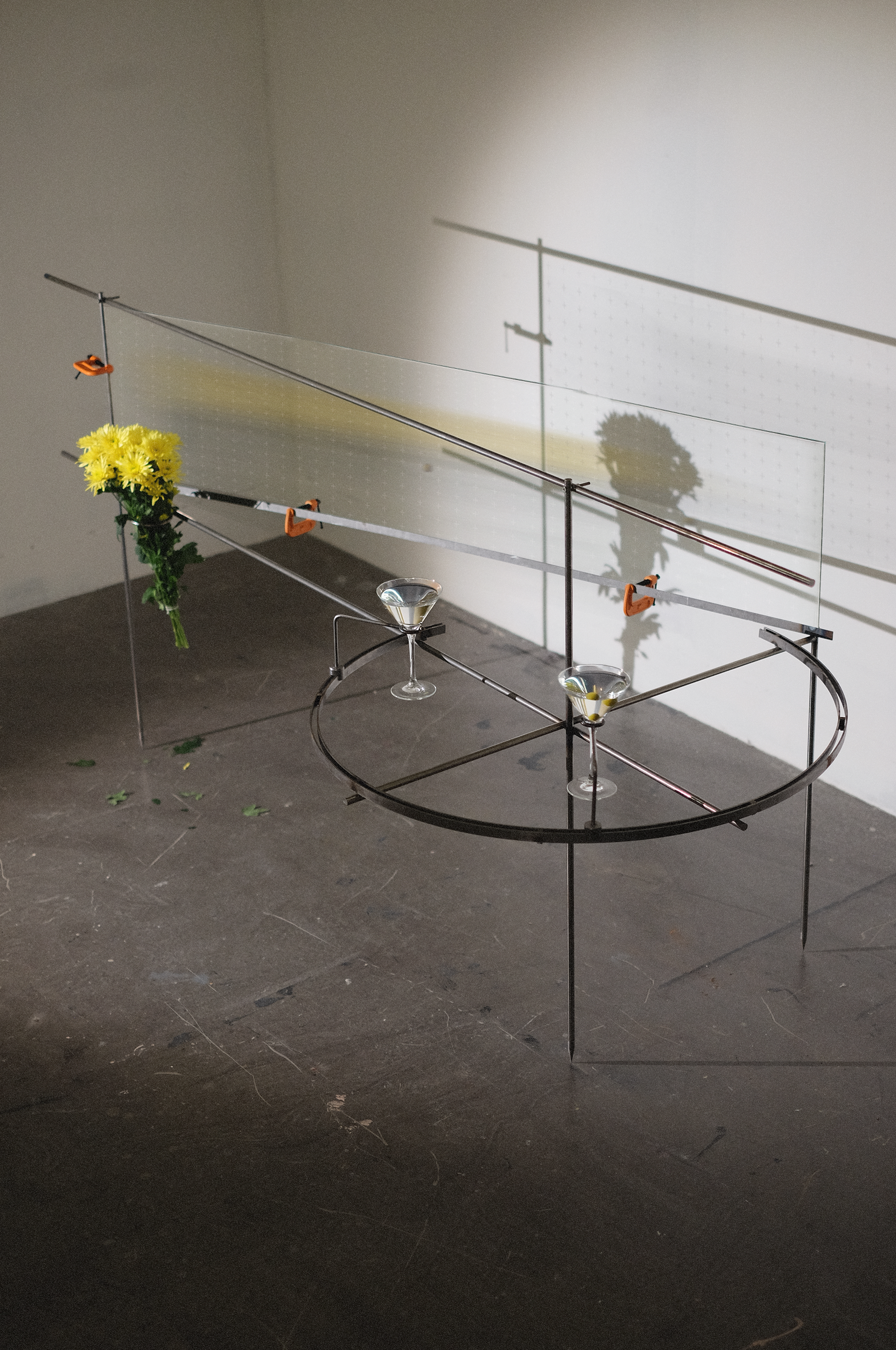
Table Study II, The Bartlett School of Architecture, 2025. Photography by Author.
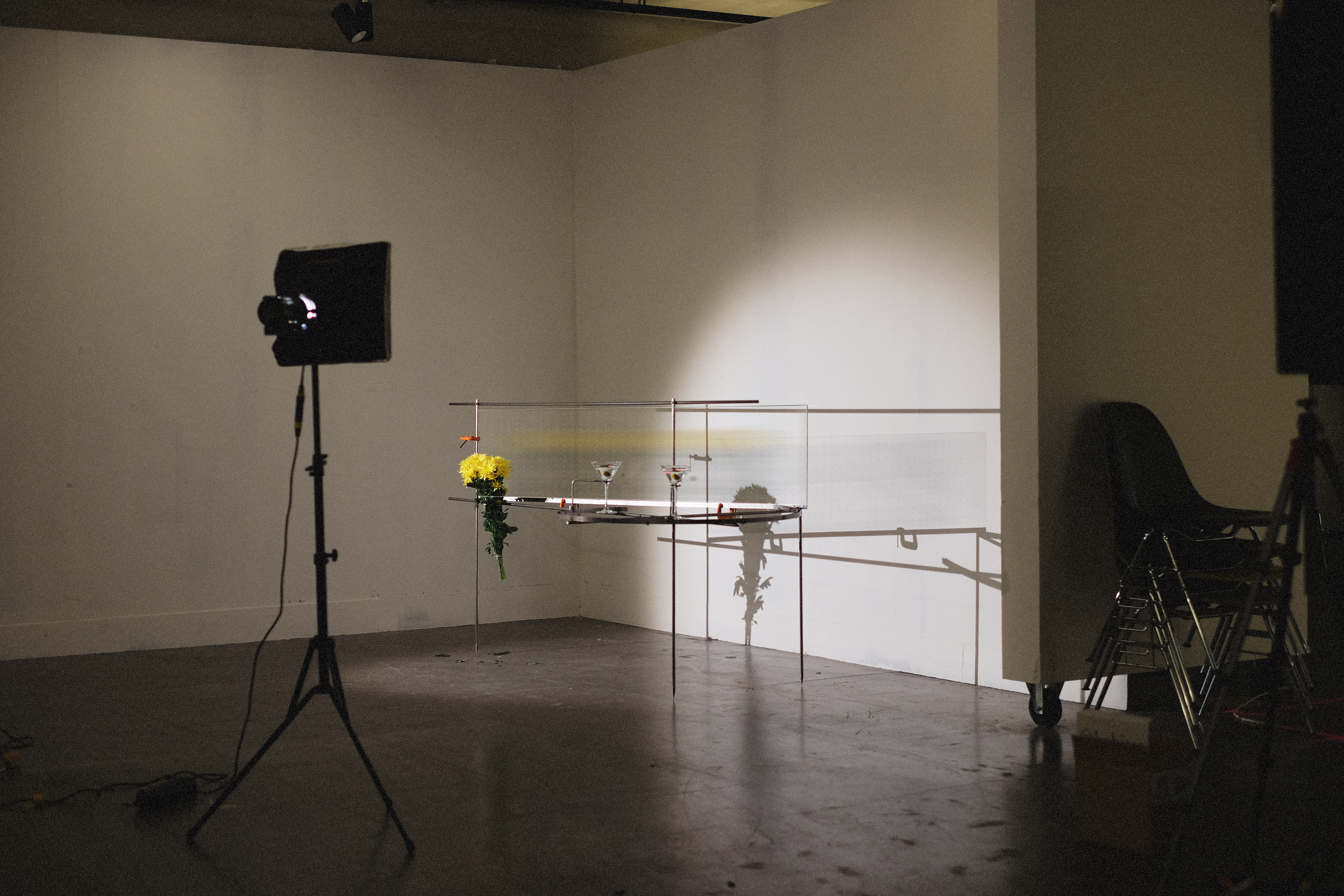
Table Study II, The Bartlett School of Architecture, 2025. Photography by Author.
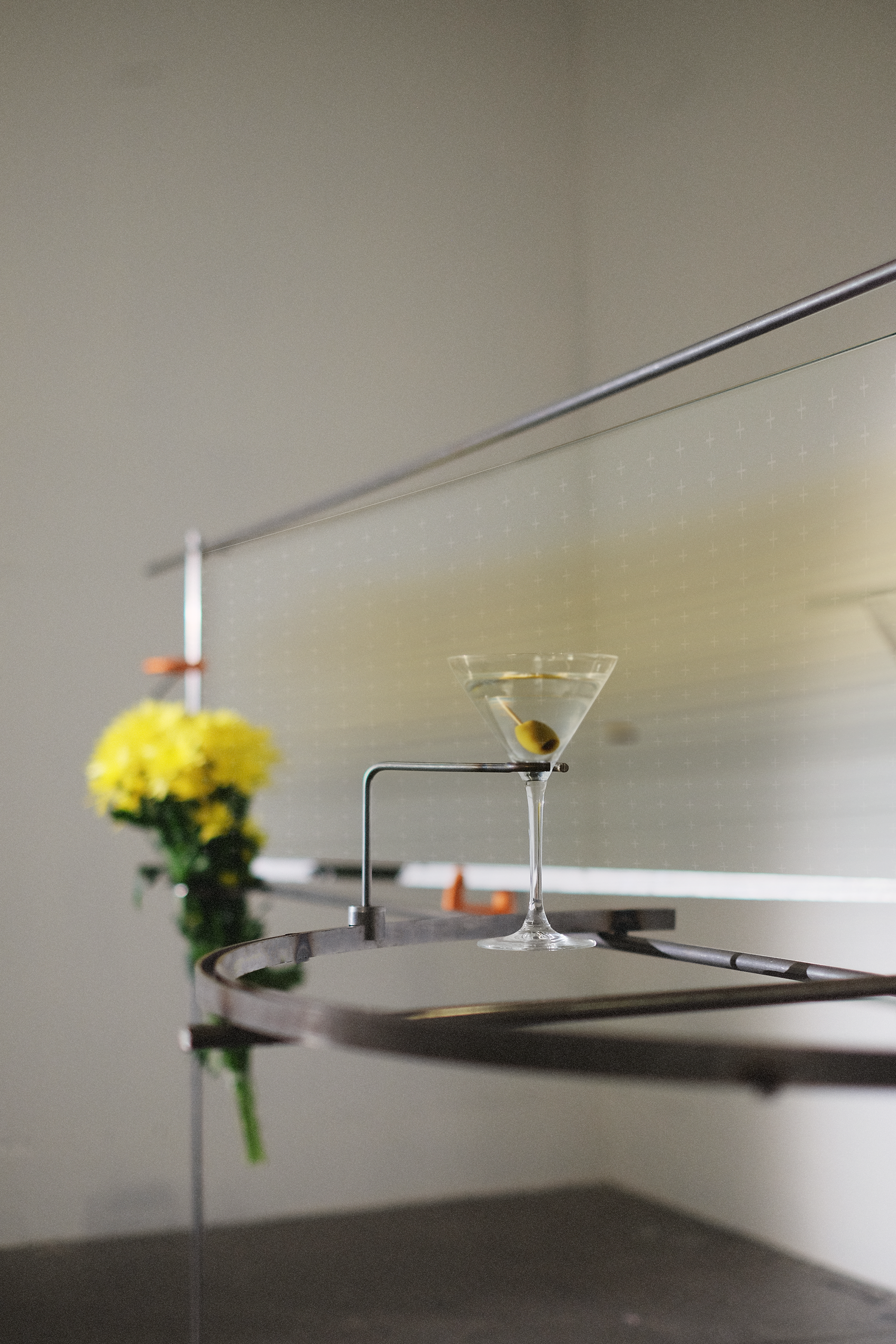
Table Study II, The Bartlett School of Architecture, 2025. Photography by Author.
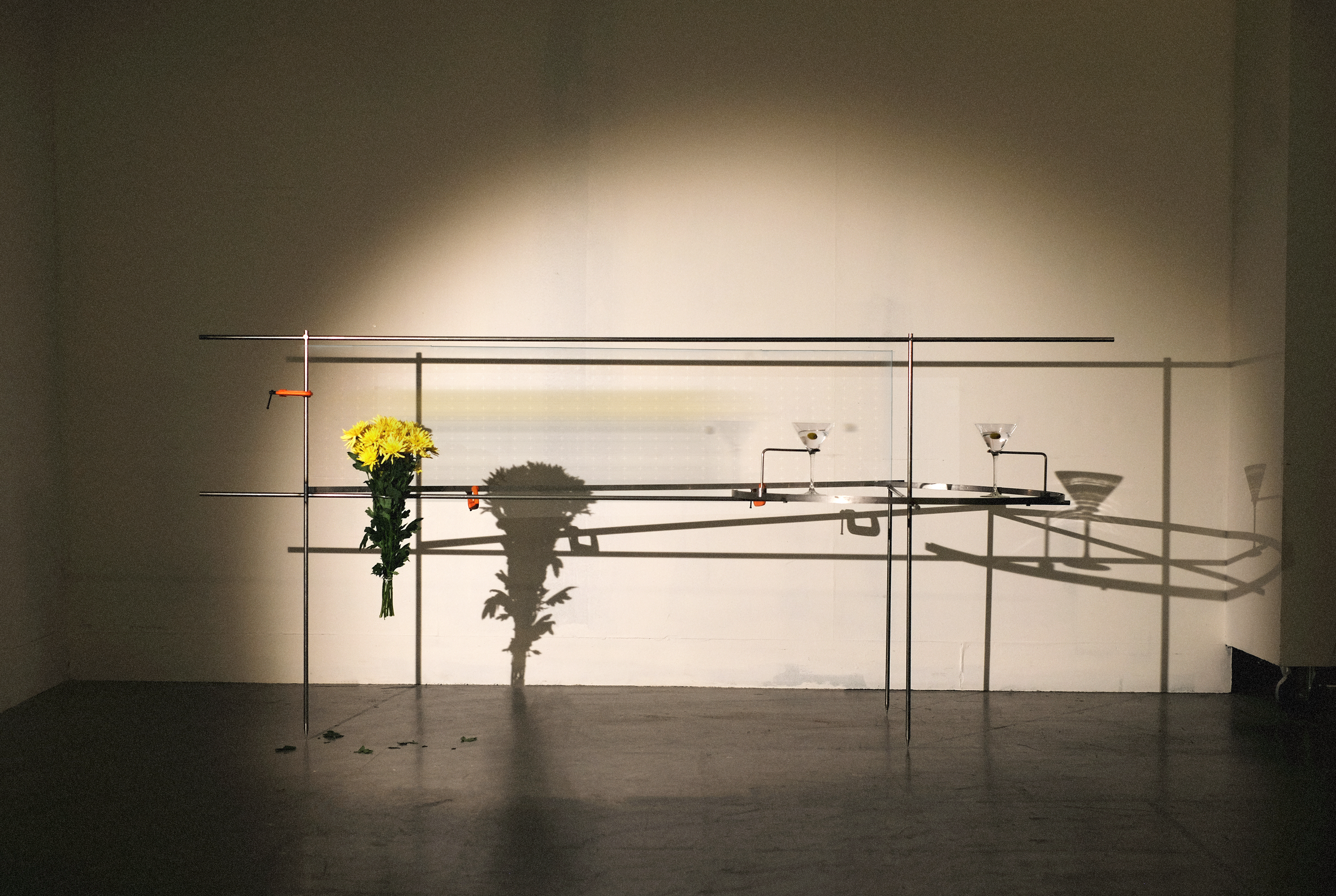
Table Study II, The Bartlett School of Architecture, 2025. Photography by Author.